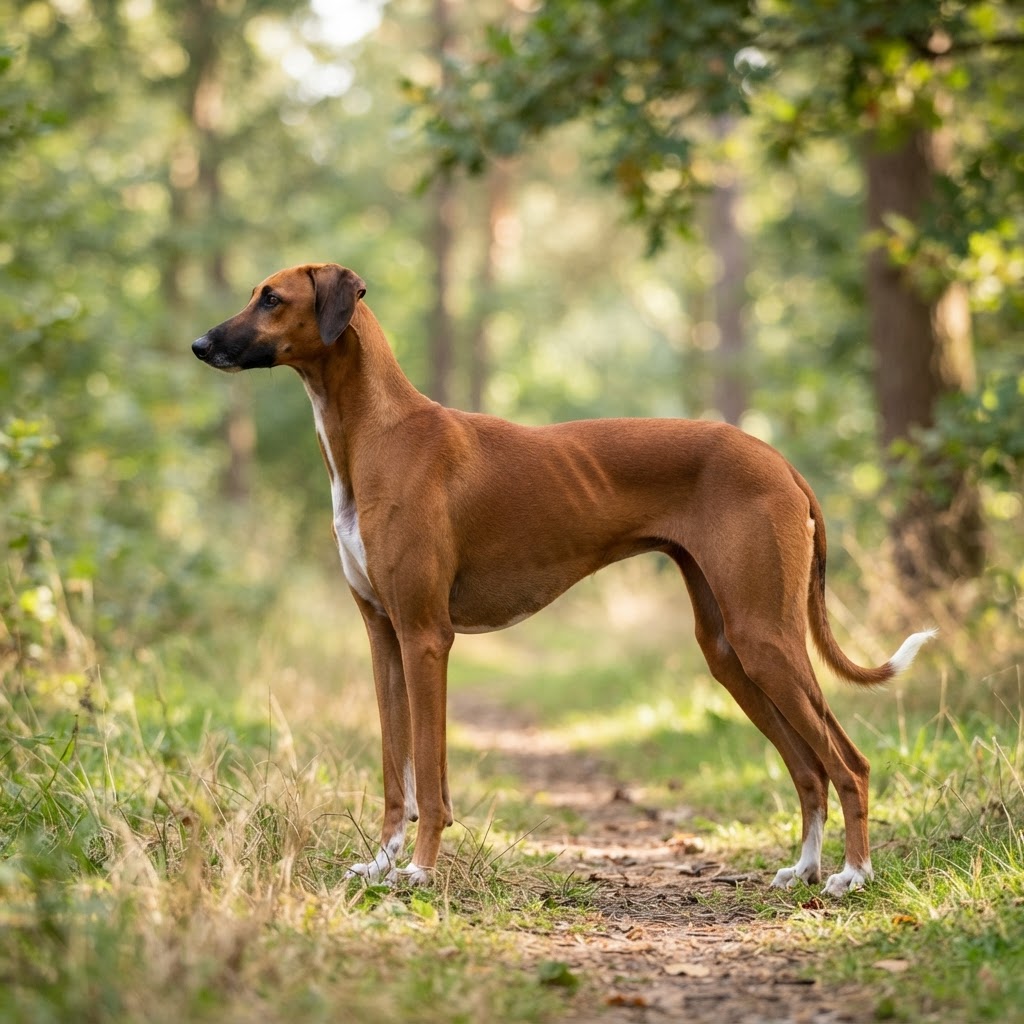
Azawakh
Male: 20-25 kg, Female: 15-20 kg
Male: 64-74 cm, Female: 60-70 cm
12-15 years
Sahel region of Africa (Mali, Niger, Burkina Faso)
About the Azawakh
The Azawakh is a primitive and elegant sighthound hailing from the Sahel region of Africa, where it has long served as a companion and guardian to the Tuareg people. This breed is characterized by its remarkable lankiness, featuring a skeletal structure and musculature clearly visible beneath thin, fine skin. Their silhouette is unique, described as a 'rectangle on end,' meaning they are taller than they are long, giving them a regal and refined appearance. Despite their fragile look, they are incredibly resilient, high-speed runners capable of enduring extreme heat. In the home, the Azawakh is a quiet and dignified presence. They are famously aloof with strangers, often requiring time to warm up to new people, but they form intense, unbreakable bonds with their family. They possess a keen protective instinct, a trait that distinguishes them from many other sighthounds. Their intelligence is paired with an independent streak, making them a breed for experienced owners who appreciate a dog with a strong sense of self and a deep, quiet loyalty.
Breed Standard
Key characteristics from the breed standard
In the show ring, the Azawakh is a masterpiece of dry, sculptural anatomy, with every muscle and bone clearly defined under a satin-like coat. Their movement is a revelation—a light, elastic, and high-reaching trot that conveys a sense of weightless suspension. They possess a distinctive 'haughty' expression, with large, almond-shaped eyes that remain perpetually observant.
In Australia
The Azawakh was first introduced to Australia in 1996, as recorded by Dogs Victoria.
Bred For
Guardians of nomadic camps and hunters of gazelle and hare
Temperament
Independent, loyal, aloof with strangers, observant, and deeply affectionate with family
Health Conditions Reported in the Breed
(), , , Cardiac issues, and sensitivity to certain types of anesthesia typical of sighthounds
Exercise Needs
High; requires daily long walks and opportunities for high-speed sprints in a securely fenced area
Grooming Needs
Minimal; the extremely short coat requires only occasional brushing and bathing when necessary
Good with Kids
Generally good with older, respectful children who understand the dog's need for space; may be too reserved for high-energy toddlers.
Good with Other Pets
Usually good with other dogs if socialized early; however, they have a very high prey drive and may not be suitable for homes with small animals or cats.
Trainability
Highly intelligent but independent and easily bored; training requires patience, consistency, and positive reinforcement rather than repetitive drills.
Coat & Colours
Extremely short and fine. Fawn, red, and brindled, typically with white markings on the chest, feet, and tail tip
Exercise needs vary by age, fitness, health, weather and individual temperament. Consult your veterinarian for an exercise plan appropriate for your dog.
Things to Consider
Every breed has its quirks — here's what to know
The Azawakh is predisposed to Gastric Dilatation-Volvulus (Bloat) due to their deep-chested conformation; owners should feed smaller, frequent meals and avoid vigorous exercise immediately after eating. They are more likely to experience sensitivity to cold weather and hard surfaces because of their very low body fat and thin skin—a cozy coat for winter walks and soft bedding are essential for their comfort. Prospective owners should be aware of their high prey drive; while they are exceptionally loyal, their instinct to chase moving objects is profound, requiring secure fencing and lead-only walks in uncontained areas. Like many sighthounds, they can be predisposed to anesthesia sensitivity, so finding a veterinarian familiar with sighthound physiology is recommended. Azawakh are more likely to develop digestive sensitivities and skin irritations on high-carbohydrate commercial diets; this doesn't mean every Azawakh will, but they frequently thrive on a species-appropriate fresh or raw diet. Finally, their aloofness is a breed trait—they are discerning and take time to trust, which is part of their unique, protective charm once a bond is forged.
Feeding Guide for Your Azawakh
Healthy Weight
15-25 kg
Daily Feeding Amount (general starting estimate)
300-750 grams
For an adult Azawakh, a fresh food diet should be calculated at 2-3% of their ideal body weight. For a 20kg dog, this equates to approximately 400g to 600g of fresh food per day, divided into two meals to help mitigate the risk of bloat. Active dogs or those with higher metabolisms may require the upper end of this range.
Feeding quantities are general starting estimates only. Individual needs vary with body condition, weight trends, age, health and activity. Ingredient percentages alone do not guarantee complete and balanced nutrition — consult a veterinarian for individualised dietary guidance.
Ingredient percentages alone do not guarantee complete and balanced nutrition. Seek veterinary or qualified canine nutrition guidance for individualised dietary advice. Raw feeding, specific proteins or fresh foods should not be presented as preventing, treating or managing breed health conditions without veterinary diagnosis and supervision.
Majestik's Recommended Feeding Approach
Breed Diet Notes
High-quality, protein-rich fresh diet with moderate fat content to maintain lean muscle mass without excessive weight gain
A balanced raw diet for an Azawakh should focus on lean, high-quality proteins such as Kangaroo, which is available from Majestik Pet Food and suits their lean physiology. This should be supplemented with Beef or Lamb to provide essential fats and amino acids. Including a small amount of pureed leafy greens can provide essential phytonutrients. Given their sighthound metabolism, ensuring they receive high-quality animal-based fats is crucial for skin and coat health.
These are general breed-level notes only. The appropriate food and serving amount depend on the individual dog's age, health, body condition, activity and tolerance.
Majestik Recommendation
Majestik BARF meals follow our practical 70/10/10/10 approach: approximately 70% quality meat and protein ingredients, 10% edible bone, 10% vegetables and 10% offal. This gives customers a convenient fresh-food option without needing to source and portion every ingredient themselves.
Our Beef, Lamb and Roo BARF meals provide convenient fresh-food options, with suitable proteins chosen or rotated according to the individual dog.
Suitable for different needs
- Healthy adult: Majestik adult Beef, Lamb or Roo BARF meal.
- Puppy: Majestik Premium Puppy.
- Senior: Majestik Senior Blend.
- Working or highly active dog: Suitable Majestik adult meal with quantity adjusted to workload and body condition.
- Protein trial: One Majestik protein at a time.
Recommended Majestik BARF Meals


This is a practical starting recommendation for healthy dogs. Individual needs vary with age, health, body condition and activity.
Azawakh Feeding Calculator
Personalised raw and cooked feeding recommendations based on your dog's profile
Ideal — Ribs palpable without excess fat. Visible waist. Abdominal tuck present.
Have a question about your Azawakh? Dog Health AI
Why Majestik?
Fresh, raw pet food made with integrity in South Australia
Australian Made
Made in Two Wells, South Australia
Freshly Prepared
Real meat, organs, bone & wholefood ingredients
No Fillers
No cheap fillers or artificial preservatives
Family Owned
Locally owned and operated
Local Delivery
Delivery across Adelaide & selected areas
Secure Checkout
Secure payment via Shopify checkout
Subscribe & Save on Azawakh Meals
Get your Azawakh's fresh and raw meals delivered every two or four weeks. Small subscriptions are combined into a four-week box. Pause, skip or cancel anytime.
Breed Records & Facts
Average Litter Size
4-6 puppies
Azawakh Owner Feedback
Real experiences and tips from Azawakh owners
No reviews yet
Be the first to share your experience with this breed
Other Large Breeds
References & Sources
Breed information verified against recognised breed authorities and veterinary evidence.