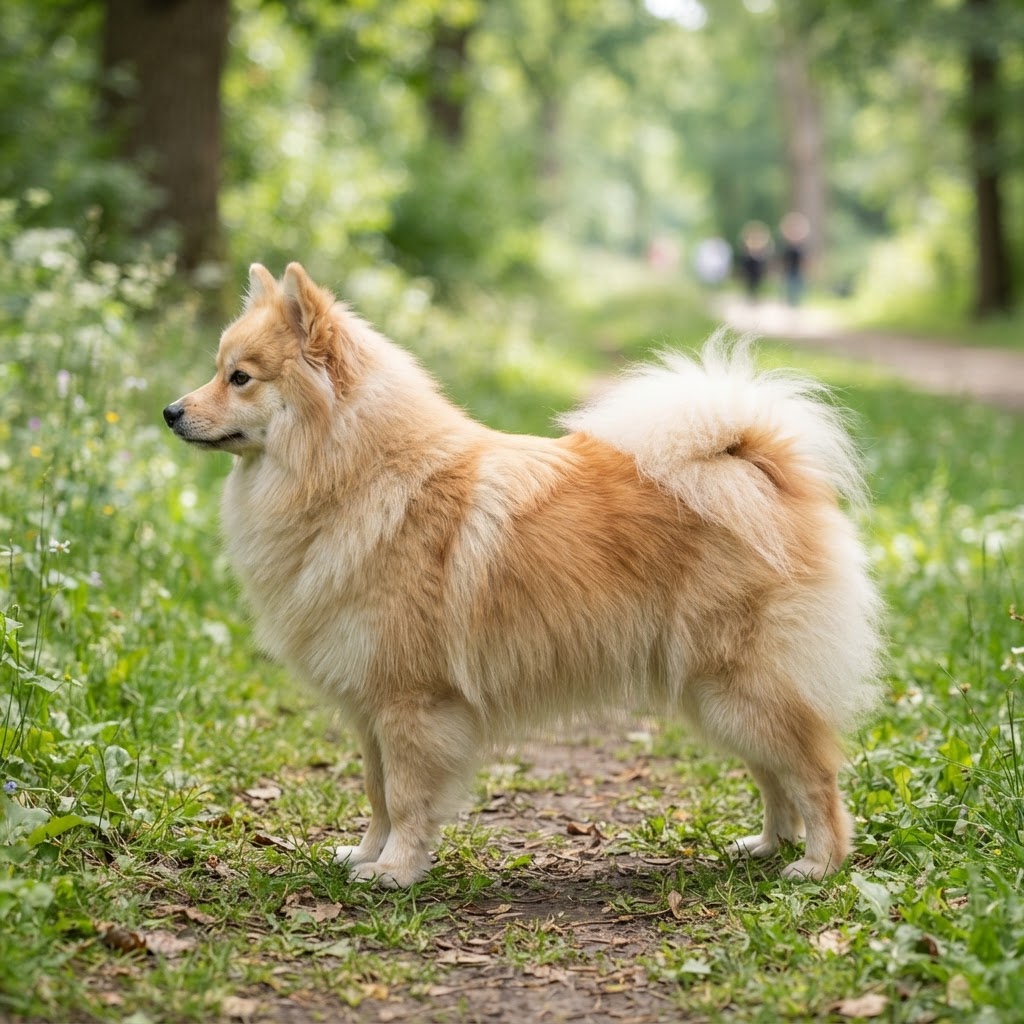
German Spitz (Mittel & Klein)
Klein: 3-5 kg; Mittel: 7-11 kg
Klein: 23-29 cm; Mittel: 30-38 cm
12-16 years
Germany
About the German Spitz (Mittel & Klein)
The German Spitz, occurring in both Klein (Small) and Mittel (Medium) sizes, is a descendant of the ancient Stone Age 'Peat Dogs' and represents one of the oldest dog breeds in Central Europe. Characterised by their 'foxy' expression and magnificent standoff coat, these dogs were historically prized as watchdogs on farms and barges. They are not 'lap dogs' in the traditional sense; they are hardy, active, and possess a bold personality that belies their size. In a modern home, the German Spitz is a vivacious and deeply affectionate companion. They are highly observant and will quickly learn the routines of the household. While they are adaptable to various living situations, their thick double coat requires dedicated maintenance to keep them comfortable. Their intelligence makes them capable learners, though they often retain a streak of independent 'Spitz' spirit that requires consistent, positive reinforcement training.
Breed Standard
Key characteristics from the breed standard
In the ring, the German Spitz is defined by its silhouette: a nearly square body frame with a foxy head, small pointed ears, and a distinctive 'ring tail' curled over the back. The hallmark is the profuse double coat that stands away from the body, particularly the thick 'mane' or ruff around the neck. They possess a jaunty, brisk movement that displays confidence and alertness. What truly sets the German Spitz apart is its pristine, natural beauty—unlike many breeds, the standard forbids trimming the coat, celebrating the dog in its most authentic, ruggedly elegant form.
In Australia
The German Spitz was introduced to Australia in the late 1970s, with the first recorded imports arriving in 1979 as noted by the German Spitz Club of Victoria. Following these initial arrivals, the first litters were registered in 1980, a development confirmed by records from both the German Spitz Club of Victoria and Dogs West (Dogs Australia).
Bred For
Originally bred as a multipurpose farm dog and watchdog, specifically valued for its keen ability to alert owners to intruders.
Temperament
Devoted, lively, intelligent, and alert. They are known for being exceptionally loyal to their families while remaining naturally suspicious of strangers.
Health Conditions Reported in the Breed
(dislocating kneecaps), (), , and dental overcrowding due to their small jaw size.
Exercise Needs
Moderate; approximately 45–60 minutes of daily activity including walks and mental stimulation or play sessions.
Grooming Needs
High; requires frequent brushing (at least 2-3 times a week) to manage the thick undercoat and prevent matting, especially during seasonal shedding.
Living Suitability
Highly adaptable; they thrive in apartments if given sufficient daily walks, but also enjoy houses with small yards. They should live indoors with their family.
Good with Kids
Good with older, respectful children who understand how to handle small dogs. They may be wary of very young, boisterous toddlers.
Good with Other Pets
Generally good with other dogs and can live harmoniously with cats if socialised early, though they can be 'bossy' regardless of the other dog's size.
Trainability
Highly intelligent and quick to learn, but can be independent or stubborn. They respond best to reward-based training and variety to prevent boredom.
Coat & Colours
Double coat: a long, straight, standoff outer coat and a short, thick, cotton-wool-like undercoat.. All colours and markings are permitted including white, black, brown, orange, grey-shaded, and particolour.
Exercise needs vary by age, fitness, health, weather and individual temperament. Consult your veterinarian for an exercise plan appropriate for your dog.
Things to Consider
Every breed has its quirks — here's what to know
The German Spitz is a natural 'alarm' dog, meaning they are more likely to be frequent barkers; they will notify you of every passerby or strange noise, which requires consistent training to manage in suburban settings. As a double-coated breed, they are prone to heavy seasonal shedding (blowing coat) which will result in significant fur around the home and requires daily brushing during these periods. They are also more likely to develop dental disease and tartar buildup due to their smaller mouths, so owners should be prepared for regular dental checks and providing appropriate natural chews. Small breeds like the German Spitz can be predisposed to patellar luxation—this doesn't mean every dog will have it, but keeping them at a lean weight reduces stress on their joints. Furthermore, they are intelligent and can be independent, sometimes showing a stubborn streak if they find a task boring, so keeping training sessions short and fun is key. While generally robust, some individuals may show sensitivities to high-carb commercial fillers, often thriving on a fresh, limited-ingredient diet that supports their sensitive skin and lush coat.
Feeding Guide for Your German Spitz (Mittel & Klein)
Healthy Weight
Klein: 3-5 kg; Mittel: 7-11 kg
Daily Feeding Amount (general starting estimate)
80g to 270g (depending on variety and individual weight)
Adult German Spitz should be fed approximately 2-3% of their ideal body weight daily in high-quality fresh food. For a Klein (approx. 4kg), this is roughly 80-120g per day. For a Mittel (approx. 9kg), this is roughly 180-270g per day. Split this into two meals to maintain steady energy and prevent digestive upset.
Feeding quantities are general starting estimates only. Individual needs vary with body condition, weight trends, age, health and activity. Ingredient percentages alone do not guarantee complete and balanced nutrition — consult a veterinarian for individualised dietary guidance.
Ingredient percentages alone do not guarantee complete and balanced nutrition. Seek veterinary or qualified canine nutrition guidance for individualised dietary advice. Raw feeding, specific proteins or fresh foods should not be presented as preventing, treating or managing breed health conditions without veterinary diagnosis and supervision.
Majestik's Recommended Feeding Approach
Breed Diet Notes
A high-protein, low-carbohydrate fresh or raw diet is ideal to maintain a lean weight and support dental health. They benefit from diets rich in Omega-3 fatty acids for coat luster.
Fresh or raw feeding should not be presented as preventing or treating a medical condition. Discuss diagnosis and dietary management with your veterinarian. Majestik's Kangaroo or Chicken blends provide excellent lean bases. Include approximately 10% edible bone (such as poultry necks) to help manage dental plaque, 10% organ meat for essential vitamins, and a small percentage of pureed green vegetables for fibre. Because of their thick coats, ensure the diet includes zinc and Omega-3 sources like sardines or flaxseed oil to support skin health.
These are general breed-level notes only. The appropriate food and serving amount depend on the individual dog's age, health, body condition, activity and tolerance.
Majestik Recommendation
Majestik BARF meals follow our practical 70/10/10/10 approach: approximately 70% quality meat and protein ingredients, 10% edible bone, 10% vegetables and 10% offal. This gives customers a convenient fresh-food option without needing to source and portion every ingredient themselves.
Our Beef, Lamb and Roo BARF meals provide convenient fresh-food options, with suitable proteins chosen or rotated according to the individual dog.
Suitable for different needs
- Healthy adult: Majestik adult Beef, Lamb or Roo BARF meal.
- Puppy: Majestik Premium Puppy.
- Senior: Majestik Senior Blend.
- Working or highly active dog: Suitable Majestik adult meal with quantity adjusted to workload and body condition.
- Protein trial: One Majestik protein at a time.
Recommended Majestik BARF Meals


This is a practical starting recommendation for healthy dogs. Individual needs vary with age, health, body condition and activity.
German Spitz (Mittel & Klein) Feeding Calculator
Personalised raw and cooked feeding recommendations based on your dog's profile
Ideal — Ribs palpable without excess fat. Visible waist. Abdominal tuck present.
Have a question about your German Spitz (Mittel & Klein)? Dog Health AI
Why Majestik?
Fresh, raw pet food made with integrity in South Australia
Australian Made
Made in Two Wells, South Australia
Freshly Prepared
Real meat, organs, bone & wholefood ingredients
No Fillers
No cheap fillers or artificial preservatives
Family Owned
Locally owned and operated
Local Delivery
Delivery across Adelaide & selected areas
Secure Checkout
Secure payment via Shopify checkout
Subscribe & Save on German Spitz (Mittel & Klein) Meals
Get your German Spitz (Mittel & Klein)'s fresh and raw meals delivered every two or four weeks. Small subscriptions are combined into a four-week box. Pause, skip or cancel anytime.
Breed Records & Facts
Average Litter Size
3-5 puppies
German Spitz (Mittel & Klein) Owner Feedback
Real experiences and tips from German Spitz (Mittel & Klein) owners
No reviews yet
Be the first to share your experience with this breed
Other Small Breeds
References & Sources
Breed information verified against recognised breed authorities and veterinary evidence.