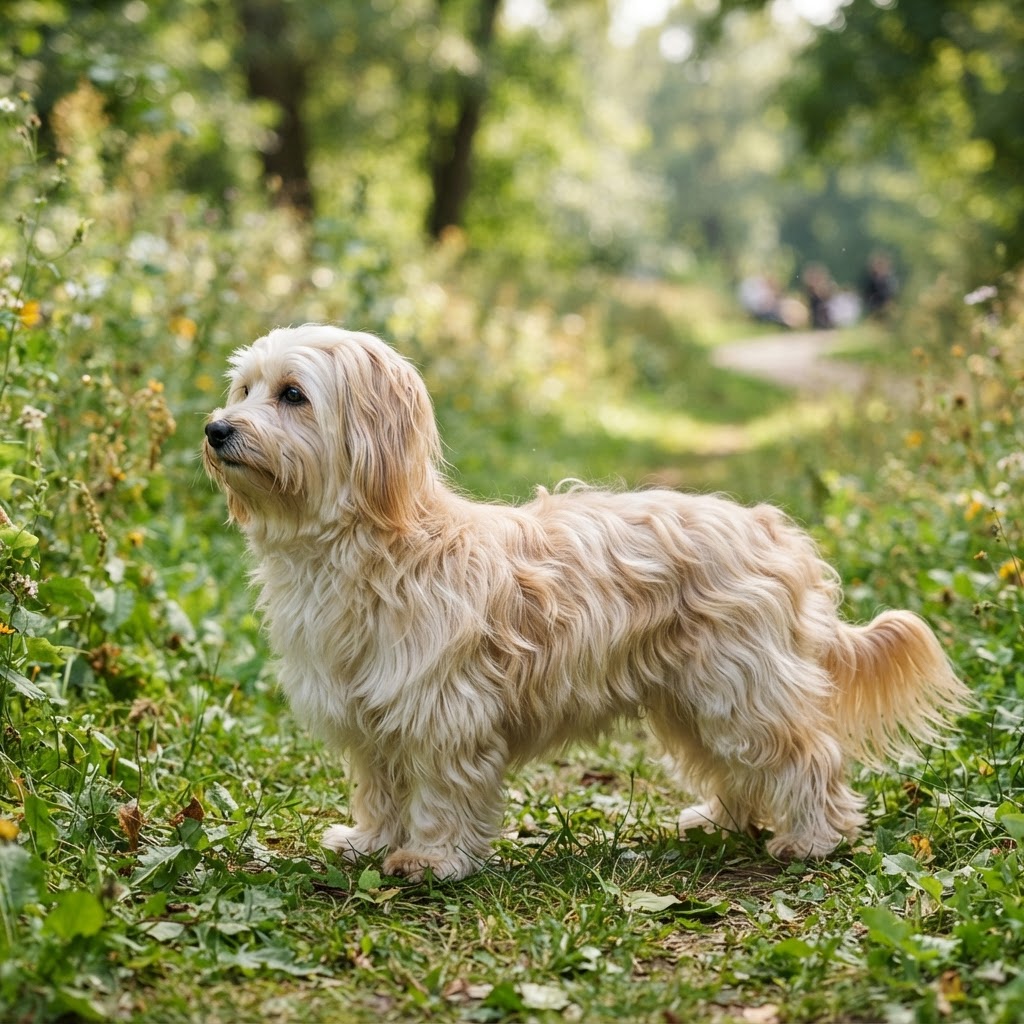
Havanese
3.2-5.9 kg
23-27 cm at the shoulder (ideal), with a range of 21-29 cm.
14-16 years
Cuba
About the Havanese
The Havanese is the national dog of Cuba and the only breed native to the island. A member of the Bichon family, this sturdy, small dog is known for its 'springy' gait and its remarkably soft, silky coat that once protected it from the tropical Cuban sun. Unlike many toy breeds, the Havanese is quite robust and possesses a playful, non-quarrelsome disposition that makes it an ideal companion for various households. Deeply affectionate, the Havanese is often referred to as a 'Velcro dog' because of its strong desire to be near its human companions. They are highly intelligent and surprisingly easy to train, often performing tricks to gain attention. Their adaptable nature allows them to thrive in both city apartments and larger suburban homes, provided they receive the social interaction they crave.
Breed Standard
Key characteristics from the breed standard
In the show ring, the Havanese is distinguished by its unique 'springy' movement, a result of its short upper arms and sturdy hindquarters. The coat should be left untrimmed in its natural, long, silky state, flowing as the dog moves. A key attribute is the tail, which is plumed with long silky hair and carried arched forward over the back.
In Australia
In Australia, the Havanese is classified within the Toy group (Group 1) by Dogs Australia, and the breed was introduced to the country in June 2000 with the arrival of the dog 'Rocket' (Gr Ch, AKA & NZ Ch Torza Rocket by Lejerdell), as noted by Dogs Victoria.
Bred For
Companion dog for the Cuban aristocracy and upper class.
Temperament
Intelligent, outgoing, playful, affectionate, and exceptionally sociable.
Health Conditions Reported in the Breed
, heart murmurs, , , , and .
Exercise Needs
Moderate; approximately 30 minutes of daily walking combined with indoor play and mental stimulation.
Grooming Needs
High; requires daily brushing to prevent matting of the long, silky coat, along with regular professional grooming.
Living Suitability
Excellent for apartment living due to their size and moderate exercise needs, but they thrive in any home where they are not left alone for long periods.
Good with Kids
Generally very good with children, though supervision is recommended with very young children due to the dog's small size.
Good with Other Pets
Excellent; typically very social and gets along well with other dogs and cats if properly socialised.
Trainability
High; intelligent and eager to please, though they respond best to positive reinforcement and can be sensitive to harsh corrections.
Coat & Colours
Double coat with a soft, silky, long outer layer that can be wavy or curly.. All colors and patterns are permitted, including white, cream, gold, sable, silver, black, and parti-color.
Exercise needs vary by age, fitness, health, weather and individual temperament. Consult your veterinarian for an exercise plan appropriate for your dog.
Things to Consider
Every breed has its quirks — here's what to know
Havanese are prone to separation anxiety; they are deeply devoted to their families and may become distressed or vocal if left alone for extended periods—this is easily managed by ensuring they have company or puzzle toys during short absences. Because of their small mouths, they are more likely to develop dental disease and overcrowded teeth, so daily teeth brushing and regular dental checks are important. Their magnificent silky coat, while minimal-shedding, is prone to matting and requires diligent daily brushing; however, many owners find a shorter 'puppy cut' much easier for lifestyle maintenance. Some Havanese can be susceptible to tear staining around the eyes—regularly wiping the area with a damp cloth keeps them looking their best. Like many toy breeds, they are predisposed to luxating patellas (slipping kneecaps), so keeping them at a lean, healthy weight via a fresh food diet is vital to reduce joint stress. Additionally, while generally hardy, some Havanese are more likely to experience skin and digestive sensitivities on standard commercial diets—they often thrive on a high-quality fresh or raw diet tailored to their needs.
Feeding Guide for Your Havanese
Healthy Weight
3.5-6.0 kg
Daily Feeding Amount (general starting estimate)
90-180 grams
For an adult Havanese, we recommend feeding approximately 2-3% of their ideal body weight in fresh, raw food daily. For a 5kg dog, this equates to 100-150 grams per day, split into two meals. Adjust portions based on individual metabolism and activity levels.
Feeding quantities are general starting estimates only. Individual needs vary with body condition, weight trends, age, health and activity. Ingredient percentages alone do not guarantee complete and balanced nutrition — consult a veterinarian for individualised dietary guidance.
Ingredient percentages alone do not guarantee complete and balanced nutrition. Seek veterinary or qualified canine nutrition guidance for individualised dietary advice. Raw feeding, specific proteins or fresh foods should not be presented as preventing, treating or managing breed health conditions without veterinary diagnosis and supervision.
Majestik's Recommended Feeding Approach
Breed Diet Notes
A high-quality fresh or raw diet rich in lean proteins and essential fatty acids to support coat health and maintain a lean body condition.
A balanced raw diet for a Havanese should focus on high-quality proteins available from Majestik, such as lean Beef, Chicken, or Kangaroo. Kangaroo is particularly beneficial for Havanese prone to weight gain or skin sensitivities. Adding small amounts of pureed green leafy vegetables and omega-3 supplements like fish oil can further support their luxurious coat and eye health.
These are general breed-level notes only. The appropriate food and serving amount depend on the individual dog's age, health, body condition, activity and tolerance.
Majestik Recommendation
Majestik BARF meals follow our practical 70/10/10/10 approach: approximately 70% quality meat and protein ingredients, 10% edible bone, 10% vegetables and 10% offal. This gives customers a convenient fresh-food option without needing to source and portion every ingredient themselves.
Our Beef, Lamb and Roo BARF meals provide convenient fresh-food options, with suitable proteins chosen or rotated according to the individual dog.
Suitable for different needs
- Healthy adult: Majestik adult Beef, Lamb or Roo BARF meal.
- Puppy: Majestik Premium Puppy.
- Senior: Majestik Senior Blend.
- Working or highly active dog: Suitable Majestik adult meal with quantity adjusted to workload and body condition.
- Protein trial: One Majestik protein at a time.
Recommended Majestik BARF Meals


This is a practical starting recommendation for healthy dogs. Individual needs vary with age, health, body condition and activity.
Havanese Feeding Calculator
Personalised raw and cooked feeding recommendations based on your dog's profile
Ideal — Ribs palpable without excess fat. Visible waist. Abdominal tuck present.
Have a question about your Havanese? Dog Health AI
Why Majestik?
Fresh, raw pet food made with integrity in South Australia
Australian Made
Made in Two Wells, South Australia
Freshly Prepared
Real meat, organs, bone & wholefood ingredients
No Fillers
No cheap fillers or artificial preservatives
Family Owned
Locally owned and operated
Local Delivery
Delivery across Adelaide & selected areas
Secure Checkout
Secure payment via Shopify checkout
Subscribe & Save on Havanese Meals
Get your Havanese's fresh and raw meals delivered every two or four weeks. Small subscriptions are combined into a four-week box. Pause, skip or cancel anytime.
Breed Records & Facts
Average Litter Size
3-5 puppies
Havanese Owner Feedback
Real experiences and tips from Havanese owners
No reviews yet
Be the first to share your experience with this breed
Other Small Breeds
References & Sources
Breed information verified against recognised breed authorities and veterinary evidence.